Beaver Butt’s and Vanilla

A strange topic you might think but this was brought to my attention the other day by a family member who is now a vegetarian for health reason.
Because my family member is now vegetarian, they are constantly reading the content of goods to make sure they are acceptable for vegans. They noticed many times, when vanilla was mentioned it said “unsuitable for vegans”, they decided to dig a little further and this is what they found.
When I was told, I couldn’t believe it either, so I too decided to look it up and they were definitely correct in their findings.
I just had to share this article that I found with you…

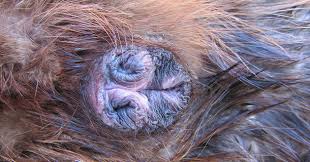
Photo by Jon Sailer on Unsplash
Beaver butts secrete a sticky substance called castoreum and the Beavers will use this to mark their territory. The U.S. Food and Drug Administration lists castoreum as a “generally regarded as safe” additive, and manufacturers have been using it extensively in perfumes and foods for at least 80 years, according to a 2007 study in the International Journal of Toxicology.
Castoreum is a chemical compound that mostly comes from a beaver’s castor sacs, which are located between the pelvis and the base of the tail. Because of its close proximity to the anal glands, castoreum is often a combination of castor gland secretions, anal gland secretions, and urine.
The fragrant, brown sticky stuff is about the consistency of molasses, though not quite as thick.
While most anal secretions stink—due to odor-producing bacteria in the gut—this chemical compound is a product of the beaver’s unique diet of leaves and bark.
Instead of smelling yuk, castoreum has a musky, vanilla scent, which is why food scientists like to incorporate it into some recipes
Trying to get a beaver to produce castoreum for purposes of food processing isn’t easy. Foodies bent on acquiring some of the sticky stuff have to anesthetiser the animal and then “milk” its nether regions.
“You can milk the anal glands so you can extract the fluid,”. “You can squirt [castoreum] out. It’s pretty gross.”
Due to such unpleasantness for both parties, castoreum consumption is rather small—only about 292 pounds (132 kilograms) yearly. That statistic includes castoreum, castoreum extract, and castoreum liquid, according to Fenaroli’s Handbook of Flavor Ingredients.
Still concerned you’re chowing down on beaver-bum goop? Because of its FDA label, in some cases, manufacturers don’t have to list castoreum on the ingredient list and may instead refer to it as “natural flavoring.” Yummy.
That’s an eye opener lol, if you’re anything like me and you love a vanilla slice or biscuit, it does give you a new prospective while blissfully enjoying your snack.
Look at it this way, over the years have you enjoyed eating them “yes”, did eating them hurt you “no”, is it natural “definitely”, will you continue to eat products containing vanilla flavouring “probably”.
Thanks for reading this post
As always, take care of you and yours
Please email me your stories on all topics to [email protected] with a user name of your choice to included in my blog. Please do not use real names in your stories for discretion.
There is still time to enter my Christmas competition Sue’s Christmas Competition 2019
Good Luck!