Does Massage Reduce Body Fat? What Really Happens to Your Body
MASSAGE & WELLNESS | ARTICLE | DOES MASSAGE REDUCE BODY FAT

Can massage really reduce body fat? We explore the truth behind slimming massage claims, lymphatic drainage and the genuine benefits of massage.
Wouldn’t it be wonderful if losing a little unwanted body fat were as simple as lying on a comfortable massage table, closing your eyes and letting someone else do all the work?
No early morning exercise, no worrying about what you’ve eaten and certainly no feeling guilty about that extra slice of cake.
Just an hour of lovely massage, followed by the pleasant discovery that your favourite jeans suddenly fit better.
If only!
But if you’ve ever searched online for ways to reduce body fat, you’ve probably come across some rather impressive claims about massage. There are treatments promising slimmer thighs, flatter stomachs and even the ability to break down stubborn fat without lifting a finger.
Some sound almost too good to be true, which naturally raises the question: does massage reduce body fat, or are we confusing feeling slimmer with actually losing fat?
The answer might surprise you, because although massage has genuine benefits, they aren’t necessarily the ones being advertised.
Can Massage Really Break Down Body Fat?
Let’s get the biggest question out of the way first.
Ordinary massage does not melt away body fat, and there isn’t convincing scientific evidence that rubbing, kneading or applying pressure to an area will make the fat stored beneath the skin disappear.
I know. Not quite the miracle we were hoping for.
Body fat is stored in specialised cells called fat cells. These cells hold energy that your body can use when it needs it.
When you lose body fat, your body gradually draws on that stored energy. This generally happens when you use more energy than you consume over time, although hormones, medication, health conditions and other factors can influence the process.
Massage works rather differently.
A therapist uses their hands to apply pressure and movement to the skin, muscles and other soft tissues. Depending on the technique, this may help someone relax, feel less tense or experience temporary relief from certain aches and pains.
What it doesn’t do is physically squeeze stored fat out of your body.
If that were possible, I suspect massage appointments would be booked months in advance, and we’d all be arguing over who got the last available slot.
Unfortunately, our bodies are a little more complicated.
Why Do Some People Feel Slimmer After a Massage?
Now here’s where things become interesting.
Have you ever finished a massage and noticed that your body feels lighter, less tight or simply more comfortable?
Perhaps your legs don’t feel quite so heavy, or an area that previously felt puffy seems a little softer.
Those sensations can be perfectly genuine, even though no body fat has been lost.
Our bodies contain fluid that moves between blood vessels, tissues and the lymphatic system. Sometimes fluid collects in certain areas, contributing to swelling or puffiness.
Certain specialist massage techniques can help manage particular types of swelling. However, that doesn’t mean an ordinary relaxation massage will remove excess fluid, or that every swollen area should be massaged.
There’s also an important difference between reducing fluid-related swelling and losing body fat.
Imagine you’ve been sitting for hours during a long journey and your ankles feel slightly swollen. When that swelling eventually settles, your shoes may feel more comfortable, but you haven’t suddenly lost fat from your feet.
It’s a similar distinction.
An area that appears temporarily less swollen isn’t necessarily an area that has lost fat.
And while some people describe feeling slimmer after massage, that feeling alone doesn’t tell us what’s happened beneath the skin.
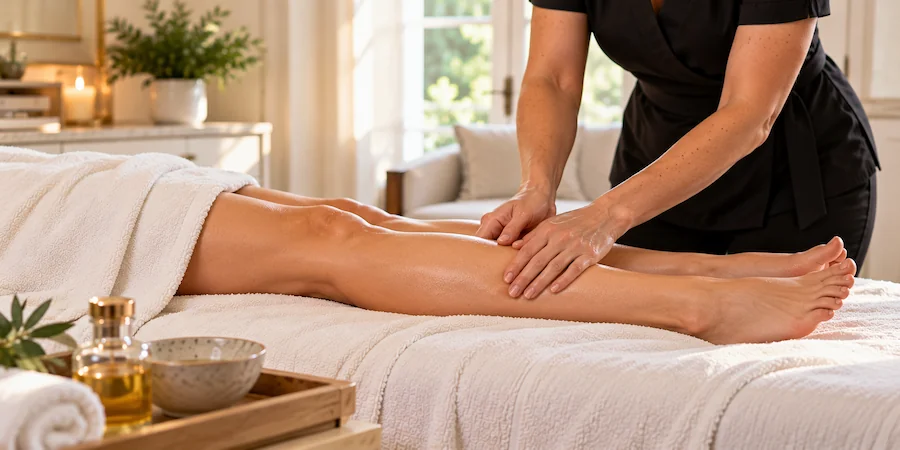
What Is Lymphatic Drainage Massage, and Does It Remove Fat?
You’ve probably heard the term lymphatic drainage massage, particularly if you’ve been looking at treatments advertised for bloating, puffiness or body contouring.
It sounds rather impressive, doesn’t it?
But lymphatic drainage has a genuine medical purpose, and it’s important not to confuse that purpose with cosmetic slimming.
The lymphatic system is part of the body’s natural fluid management and immune defence systems. It helps collect excess fluid from tissues and return it to the bloodstream.
When this system isn’t working properly, fluid can accumulate and cause a condition called lymphoedema.
Qualified massage therapists learn about the lymphatic system as part of their professional training, including how it works and its relationship with massage.
Some therapists also undertake additional qualifications in specialist manual lymphatic drainage, particularly when working with conditions such as lymphoedema.
According to the NHS, manual lymphatic drainage can help manage lymphoedema and is usually provided as part of a wider treatment programme, which may include compression garments, exercise and skin care.
However, encouraging lymphatic fluid movement is not the same as removing stored body fat. That’s the important distinction when discussing whether massage can make someone slimmer.
Someone receiving appropriate lymphoedema treatment may experience a reduction in swelling or the size of an affected area, but that doesn’t mean the massage has melted away fat cells.
There’s also a safety consideration.
If you have persistent or unexplained swelling, particularly in your legs or arms, it’s sensible to speak to your GP rather than booking a massage in the hope of making it disappear.
Sudden swelling in one leg, especially with pain, warmth or redness, needs urgent medical assessment.
Massage can be a lovely experience, but it shouldn’t be used as a substitute for finding out why something is happening to your body.
What About Those Fat Burning Massage Treatments?
You’ve probably seen the advertisements.
A treatment promises to target stubborn stomach fat, reduce inches from your waist or reshape your thighs through vigorous massage.
Sometimes the explanation involves phrases such as breaking down fat deposits, flushing out toxins or stimulating fat burning.
It all sounds wonderfully scientific.
But impressive terminology doesn’t automatically mean the claims are supported by good evidence.
Some treatments use rollers, suction, vibration or considerable pressure. They may temporarily affect how the skin and underlying tissues look or feel, while certain medical or cosmetic procedures use technologies that are quite different from ordinary massage.
The important point is that a temporary change in measurements or appearance isn’t proof of fat loss.
If someone measures their waist immediately before and after a treatment, several things could influence the result, including posture, bloating, fluid changes and even how tightly the measuring tape is held.
That doesn’t necessarily mean anyone is being dishonest. It simply means that measuring a body is not always as straightforward as it appears.
And if a treatment claims to remove fat permanently, it’s reasonable to ask what scientific evidence supports that particular method.
After all, a convincing photograph and a glowing testimonial aren’t quite the same as reliable research.
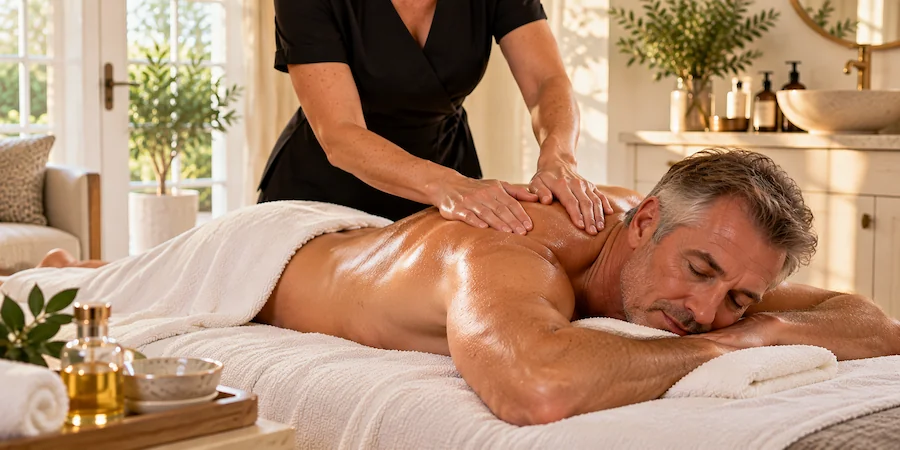
Does Deep Tissue Massage Make Any Difference?
You might reasonably wonder whether a stronger massage produces better results.
Surely if gentle massage doesn’t reduce fat, applying more pressure might do the trick?
Unfortunately, it doesn’t work that way.
Deep tissue massage is intended to work with deeper layers of muscle and connective tissue. It may be used to address particular areas of muscular discomfort or tension, although the evidence for some benefits remains limited.
It isn’t a weight loss treatment.
Pressing harder doesn’t force fat cells to release their contents, and a massage doesn’t become more effective simply because it’s uncomfortable.
In fact, excessively forceful massage can cause bruising, soreness or injury.
There’s a strange belief that if a treatment hurts, it must be doing something useful.
But pain isn’t a reliable measure of effectiveness.
You shouldn’t need to leave a massage appointment feeling as though you’ve gone several rounds with a heavyweight boxer.
A good massage should be appropriate for your body, your comfort and the reason you’re having it.

Can Massage Help You Feel Better About Your Body?
Here’s something I think deserves far more attention.
We spend so much time discussing how our bodies look that we sometimes forget how important it is to feel comfortable living in them.
Perhaps you’ve had one of those weeks when your shoulders seem permanently attached to your ears, your back feels stiff and even sitting comfortably becomes an achievement.
Then you have a massage.
You get up afterwards feeling calmer, more relaxed and considerably less interested in arguing with the world.
Your waistline hasn’t changed, but your experience of your body might have.
And that matters.
Some research suggests massage may provide short-term relief for certain types of muscular pain and discomfort, although the strength of the evidence varies depending on the condition being studied.
Many people also find the experience calming and enjoyable.
There’s nothing wrong with valuing those benefits for what they are.
You don’t need to lose an inch from your waist to justify spending time looking after yourself.
Nor should every wellness treatment have to promise a physical transformation before we’re allowed to enjoy it.
Sometimes feeling better is a perfectly good result.
Could Massage Support Someone Who Wants to Lose Weight?
Possibly, but in an indirect way rather than by burning fat itself.
Think about someone who’s trying to become more active but often feels tense, uncomfortable or overwhelmed.
If massage helps them manage some muscular discomfort or provides a relaxing break from everyday pressures, it may form one enjoyable part of their wider wellbeing routine.
That doesn’t mean massage will make them lose weight.
Nor does it mean regular treatments automatically improve metabolism, control appetite or increase the number of calories their body burns.
Those are separate claims that would need their own evidence.
It’s also worth being realistic about what massage can achieve. A treatment might provide temporary comfort, but it cannot replace appropriate exercise, balanced nutrition, medical advice or treatment for an underlying health condition.
And not everyone who enjoys massage wants or needs to lose weight in the first place.
Some people simply like the experience.
Personally, I think that’s a perfectly respectable reason to book one.
Why We Should Be Careful With Slimming Promises
There’s another side to this subject that doesn’t always receive much attention.
People can feel surprisingly vulnerable about their bodies.
Perhaps they’ve gained weight during a difficult period, noticed changes as they’ve grown older or spent years feeling uncomfortable about a particular part of themselves.
When someone promises an effortless solution, it’s understandable that they might want to believe it.
That’s why I think wellness businesses have a responsibility to be careful about the claims they make.
There’s a considerable difference between saying a massage may help someone feel relaxed and comfortable, and promising that it will remove stubborn body fat.
One is a reasonable description of an experience. The other is a specific physical claim that needs convincing evidence.
We should also be cautious about the idea that every natural curve, soft stomach or fuller thigh is a problem waiting to be corrected.
Bodies come in different shapes, and those shapes naturally change throughout our lives.
Massage can be enjoyed by people of every size without turning the appointment into a conversation about what they ought to change.
Surely that’s part of what makes it appealing.
For a little while, you can stop thinking about how your body looks and simply enjoy how it feels.
So, Does Massage Reduce Body Fat?
The simple answer is no. Ordinary massage has not been shown to produce meaningful, lasting reductions in stored body fat.
Specialist lymphatic drainage may help manage certain types of fluid-related swelling when medically appropriate, but moving fluid is not the same as losing fat.
Likewise, feeling lighter, more comfortable or more relaxed after a treatment doesn’t mean you’ve burned away unwanted inches.
But perhaps we’ve been asking massage to do something it was never particularly good at doing in the first place.
A relaxing massage doesn’t need to promise a smaller waistline to be worthwhile.
It can offer a welcome opportunity to unwind, enjoy some personal attention and reconnect with a body that spends much of its day rushing from one responsibility to another.
And in a world where we’re constantly being encouraged to improve, reshape or change ourselves, there’s something rather refreshing about a treatment that doesn’t require us to become someone different.
So, if you’re considering massage because you’ve been promised effortless fat loss, I’d be cautious about spending money on that expectation.
But if you’re looking forward to an hour of relaxation and a chance to feel more comfortable in your own skin, that’s an entirely different matter.
And here’s a final thought.
Wouldn’t it be lovely if we stopped judging every wellness treatment by how many inches it promises to remove, and started appreciating how much better it can make us feel?
Because sometimes the best thing we can do for our bodies isn’t to try to make them smaller.
It’s simply to treat them a little more kindly.

We'd Love to Hear From You

Everyone Has a Story
If writing isn't your thing, that's fine too. Tell us your story in your own words and we can help shape it for publication.
Submissions, story suggestions and general enquiries are all welcome.
Tell Us Your Story
A Little Time for You