
Relaxation is the Key to Better Orgasms


Relaxation is the Key to Better Orgasms
Why Relaxation Is the Secret Ingredient to Better Orgasms
When people talk about better orgasms, the conversation usually focuses on technique.
There are endless discussions about positions, toys, fantasies, stamina, communication, and performance. While all of those things can influence pleasure, there is one factor that often gets overlooked despite being incredibly powerful:
Relaxation.
It may not sound as exciting as the latest bedroom trend or intimacy hack, but relaxation plays a huge role in how deeply the body experiences pleasure. In fact, many people struggle to reach orgasm not because they are “doing something wrong,” but because their minds and bodies never fully relax enough to let pleasure happen naturally.
This is especially common in modern life, where stress, pressure, anxiety, and overstimulation have become part of everyday existence.
The body cannot fully surrender to pleasure while remaining in a constant state of tension.
That is why relaxation is not just a nice extra in intimacy… it is often the missing ingredient.
Understanding this can completely change the way people approach intimacy, connection, and even their own bodies. Better orgasms are not always about doing more. Sometimes they come from slowing down, softening, and allowing the body to feel safe enough to experience sensation fully.
So why does relaxation matter so much? And how exactly does stress interfere with pleasure?
Let’s explore the fascinating connection between relaxation, arousal, and orgasm.

The Body Was Never Designed for Stress and Pleasure at the Same Time
To understand why relaxation matters, it helps to look at how the nervous system works.
The human body has two main states that influence physical and emotional responses:
- Stress response, often called “fight or flight”
- Relaxation response, known as “rest and digest”
When the body feels stressed, overwhelmed, anxious, or emotionally unsafe, it activates the sympathetic nervous system. This response is designed to protect us from danger.
Heart rate increases. Muscles tighten. Breathing becomes shallow. Stress hormones like cortisol and adrenaline rise.
This response is useful when facing genuine threats. However, it is not ideal for intimacy.
Orgasm and deep pleasure rely far more heavily on the parasympathetic nervous system… the body’s relaxed state. This is the mode where breathing slows, muscles soften, blood flow improves, and the body becomes receptive to sensation.
In other words, the body experiences pleasure best when it feels calm and safe.
That is why stress and sexual satisfaction are so closely connected.
Why Stress Quietly Blocks Pleasure
Many people think of stress as purely mental, but stress affects the body physically as well.
Even low-level daily stress can reduce sensitivity, interrupt arousal, and make orgasm more difficult.
For example, when the mind is racing with work deadlines, financial worries, family responsibilities, or self-conscious thoughts, attention becomes divided. Instead of being fully present in the moment, part of the brain remains occupied elsewhere.
Pleasure requires focus.
Not in a forced way, but in an embodied way. The body responds best when attention is directed toward sensation rather than distraction.
Unfortunately, modern life constantly pulls attention away from the present moment.
Phones buzz. Notifications appear. Anxiety lingers in the background. Many people move through intimacy while still mentally carrying the stress of the entire day.
As a result, the body never fully shifts into a relaxed state.
The Pressure to Perform Makes Relaxation Harder
Another major obstacle to relaxation is performance pressure.
Many people enter intimate experiences with expectations already in mind. They worry about how they look, how long they will last, whether their partner is satisfied, or whether orgasm will happen at all.
Ironically, the harder someone tries to force pleasure, the more difficult pleasure often becomes.
This is because pressure activates stress responses.
The body begins monitoring itself instead of feeling sensation naturally. Attention shifts from enjoyment to evaluation.
Instead of asking, “What feels good?” the mind starts asking:
- “Am I doing this right?”
- “How do I look?”
- “Why am I not there yet?”
- “What if I disappoint my partner?”
These thoughts pull the body out of relaxation and into self-consciousness.
And self-consciousness is one of the biggest barriers to orgasm.
Why Feeling Emotionally Safe Matters
Relaxation is not only physical. Emotional safety plays an equally important role.
The body responds differently depending on how emotionally secure someone feels.
When there is trust, acceptance, communication, and emotional comfort, the nervous system relaxes more easily. This allows the body to become more open to touch, arousal, and pleasure.
By contrast, emotional tension can create subtle physical resistance.
Even unresolved relationship stress, fear of judgment, or insecurity can reduce the body’s ability to fully let go.
This is one reason why orgasms often feel deeper and more satisfying when emotional connection is strong.
The body is not simply reacting to physical stimulation alone. It is responding to the entire emotional environment.
Relaxation Increases Physical Sensitivity
One of the most overlooked effects of relaxation is increased sensitivity.
When muscles are tense, the body becomes less responsive to subtle sensation. Tightness creates resistance.
Relaxed muscles, however, allow sensation to flow more freely through the body.
Breathing deepens. Blood circulation improves. Nerve endings become more responsive.
As a result, touch often feels more intense when the body is relaxed.
This is why slow, calming intimacy can sometimes feel far more powerful than fast, highly stimulated experiences.
The body becomes more aware of every sensation.
Small touches feel amplified. Warmth feels richer. Connection feels deeper.
Pleasure stops being something chased aggressively and instead becomes something allowed to unfold naturally.
Why Breathing Changes Everything
Breathing is one of the simplest and most effective ways to encourage relaxation during intimacy.
Stress tends to create shallow breathing patterns. People unconsciously hold tension in the chest, stomach, jaw, and shoulders.
This physical tension restricts sensation.
Deep breathing, on the other hand, signals safety to the nervous system. It slows the heart rate, calms the mind, and increases body awareness.
It also helps people stay present.
Many intimacy experts emphasise breathing because it reconnects attention to the body rather than the mind’s distractions.
Interestingly, people often notice that orgasms feel stronger when they are breathing fully instead of unconsciously tensing or holding their breath.
Breath creates flow.
And flow is deeply connected to pleasure.
The Link Between Mindfulness and Better Orgasms
Mindfulness has become a major topic in wellness conversations, but it also has a powerful effect on intimacy.
Mindfulness simply means being fully present in the current moment without judgment.
This state naturally supports relaxation.
Instead of analysing performance or chasing outcomes, mindfulness encourages awareness of sensation, emotion, and connection.
This changes the entire experience of intimacy.
People often discover that when they stop obsessing over orgasm itself, pleasure becomes easier to access.
Why?
Because relaxation replaces pressure.
The body no longer feels forced to achieve something. Instead, it becomes free to experience.
Why Slower Intimacy Often Feels Better
One of the biggest misconceptions about pleasure is that more intensity automatically creates better orgasms.
In reality, many people experience deeper pleasure when intimacy slows down.
Slower experiences allow the nervous system to relax gradually. Anticipation builds naturally. Sensitivity increases over time.
This creates fuller-body awareness instead of overwhelming stimulation.
Fast-paced intimacy can sometimes bypass emotional and sensory connection altogether. The body reacts physically, but the deeper layers of pleasure may remain limited.
Slowing down changes this dynamic.
Longer touch, softer pacing, eye contact, massage, kissing, and emotional connection all encourage the body to relax into the experience rather than rush toward an outcome.
This often creates more satisfying orgasms because the buildup itself becomes part of the pleasure.
The Role of Touch in Relaxation
Touch itself has calming effects on the nervous system.
Affectionate touch increases oxytocin, often called the “bonding hormone.” Oxytocin helps reduce stress and creates feelings of trust, comfort, and closeness.
This is one reason why massage, cuddling, skin-to-skin contact, and affectionate touch can feel so emotionally grounding.
The body interprets safe, caring touch as reassurance.
As stress decreases, the body becomes more receptive to arousal.
This creates a positive cycle:
Relaxation increases pleasure, and pleasurable touch increases relaxation.

Why Some People Struggle to Relax During Intimacy
For many people, relaxing during intimacy is easier said than done.
Past experiences, body image concerns, anxiety, trauma, emotional stress, or cultural conditioning can all make it difficult to fully let go.
Some individuals have spent years disconnecting from their bodies due to stress or self-consciousness. Others associate intimacy with pressure, expectation, or fear of judgment.
In these situations, relaxation becomes a gradual process rather than an instant switch.
This is important to understand because many people blame themselves when orgasm feels difficult.
Often, the issue is not lack of attraction or ability. The nervous system simply may not feel fully safe enough to relax yet.
Patience and self-compassion matter enormously here.

Creating an Environment That Supports Relaxation
The environment surrounding intimacy can also influence the body’s ability to relax.
Lighting, noise levels, privacy, temperature, and emotional atmosphere all affect comfort.
This is why calming environments often enhance intimacy.
Soft lighting, comfortable textures, calming scents, music, warm temperatures, and reduced distractions can help shift the nervous system into a more receptive state.
The goal is not perfection. It is comfort.
Creating a relaxed atmosphere signals to the body that it is safe to slow down.
Communication Helps the Body Relax
Open communication is another underrated aspect of relaxation.
When people feel able to express boundaries, preferences, insecurities, or desires without judgment, tension decreases.
The body relaxes when uncertainty decreases.
Good communication creates emotional safety, which then supports physical openness.
This is why intimacy often improves dramatically in relationships where partners feel emotionally accepted and understood.
Relaxation grows from trust.
Why Chasing Orgasms Can Actually Reduce Them
One of the biggest paradoxes of pleasure is this:
The more aggressively people chase orgasm, the more elusive it can become.
This happens because goal-focused thinking creates tension.
Instead of experiencing pleasure moment by moment, attention stays fixed on the final outcome.
The body begins performing instead of feeling.
Ironically, orgasms often become stronger when people stop treating them like goals that must be achieved.
When the focus shifts toward enjoyment, connection, touch, breathing, and sensation, orgasm becomes more likely to emerge naturally.
Relaxation allows pleasure to unfold without force.
Better Orgasms Start Outside the Bedroom
Interestingly, relaxation during intimacy often begins long before intimacy itself.
Stress management in daily life matters.
Sleep, emotional health, movement, mindfulness, nutrition, and overall wellbeing all influence the nervous system.
Someone carrying constant exhaustion and anxiety throughout the day may struggle to suddenly relax during intimacy at night.
This is why overall lifestyle balance can have a surprisingly large impact on sexual wellbeing.
Pleasure is deeply connected to how safe, rested, and regulated the body feels overall.
Relaxation Creates Deeper Connection Too
Relaxation does not only improve physical sensation. It also strengthens emotional intimacy.
When people feel relaxed together, connection deepens naturally.
Conversations feel easier. Touch becomes more meaningful. Eye contact feels more intimate.
Instead of performing for each other, partners begin sharing presence with each other.
This creates intimacy that goes beyond physical technique alone.
And often, that emotional closeness becomes part of what makes orgasms feel more satisfying in the first place.

The Importance of Letting Go
At its core, orgasm involves surrender.
It requires the body to release tension, control, and self-monitoring.
For many people, this is the hardest part.
Modern life teaches constant productivity, awareness, comparison, and control. Relaxation asks for the opposite.
It asks people to stop analysing for a moment and simply experience.
That vulnerability can feel unfamiliar.
Yet within that surrender lies deeper pleasure.
A Different Approach to Pleasure
Many people spend years searching for the “secret” to better orgasms through external techniques.
But often, the answer is surprisingly simple:
Slow down.
Breathe.
Release pressure.
Feel safe.
Allow the body to soften instead of forcing it to perform.
Relaxation changes pleasure because it changes the state of the nervous system itself.
When the body feels calm, emotionally safe, and fully present, pleasure has space to expand naturally.
And that is often when intimacy becomes not just more physical, but more connected, emotional, and fulfilling as well.
Because sometimes the secret ingredient was never intensity at all.
Sometimes it was simply learning how to let go.

Let yourself be carried away into the exciting world of sex swings. Give into the enchantment of the romance, passion, and deep sensuality that come with celebrating your love together. Surrender to the unique feeling of deep intimacy through shared peaks of passion.
Affiliate Disclosure:
Some of the links on this site are Amazon affiliate links, which means I may earn a small commission if you make a purchase through them – at no extra cost to you. This helps support the blog and keeps the content coming. Thanks for your support!
❤️ Experience Transcendent Pleasure with Sue:
Elite Sensual Massage Artistry
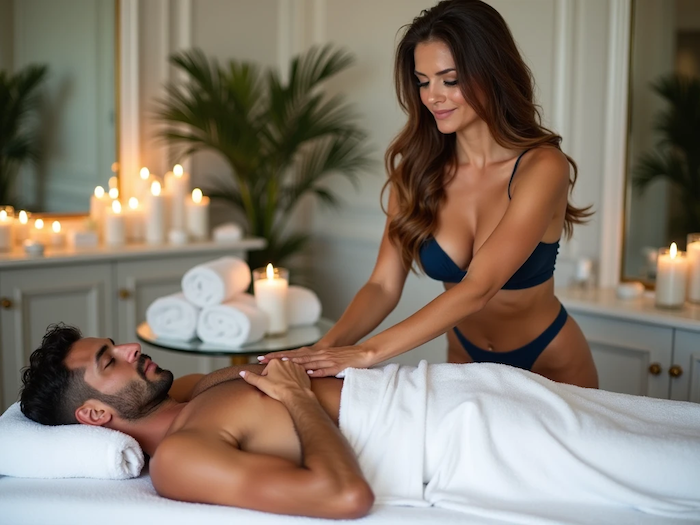
Step Into Your Private Paradise of Ecstasy
Sue doesn’t just massage; she awakens your deepest desires. Her intuitive artistry reads your body’s unspoken needs, delivering customised pleasure that leaves you breathless and craving more.
Experience – What You’ll Feel – Perfect For
Full Body Surrender –
Complete relaxation + targeted pleasure
Stress relief + sensual awakening
Tantric Ritual –
Slow, energy-building ecstasy
Spiritual + physical connection
Bespoke Erotic Massage –
Fantasy fulfilment
Personalised pleasure
Lingam Worship –
Prostate + sacred masculine energy
Men seeking profound release
Yoni Massage –
Deep feminine healing + orgasmic waves
Women embracing sensuality
Couples Sessions –
Shared intimacy + guided exploration
Reigniting passion
❤️ Ready to indulge? Call Sue on 07504 937253 or email [email protected] to book your private sensual massage today.

📧 Drop Me a Line, You Naughty Wanderers…
Hey, my deliciously daring darlings… I can practically feel the secrets tingling between your toes. That midnight tiptoe across a hotel carpet, the sly brush of an ankle under the dinner table, the time your feet led you straight into trouble, and you loved every scandalous second.
Why hoard those toe-curling tales? Kick off your heels, wiggle free, and spill the juiciest, most wicked foot-fetish confessions you’ve got. I want the stories that make my pulse race, my cheeks flush, and my soles itch to join the fun.
Think you’ve got what it takes to make me squirm? Slide your steamiest secret into my inbox at [email protected] . Fair warning: I’m hard to shock… but a bold, barefooted confession? That just might do it.





Recent Comments